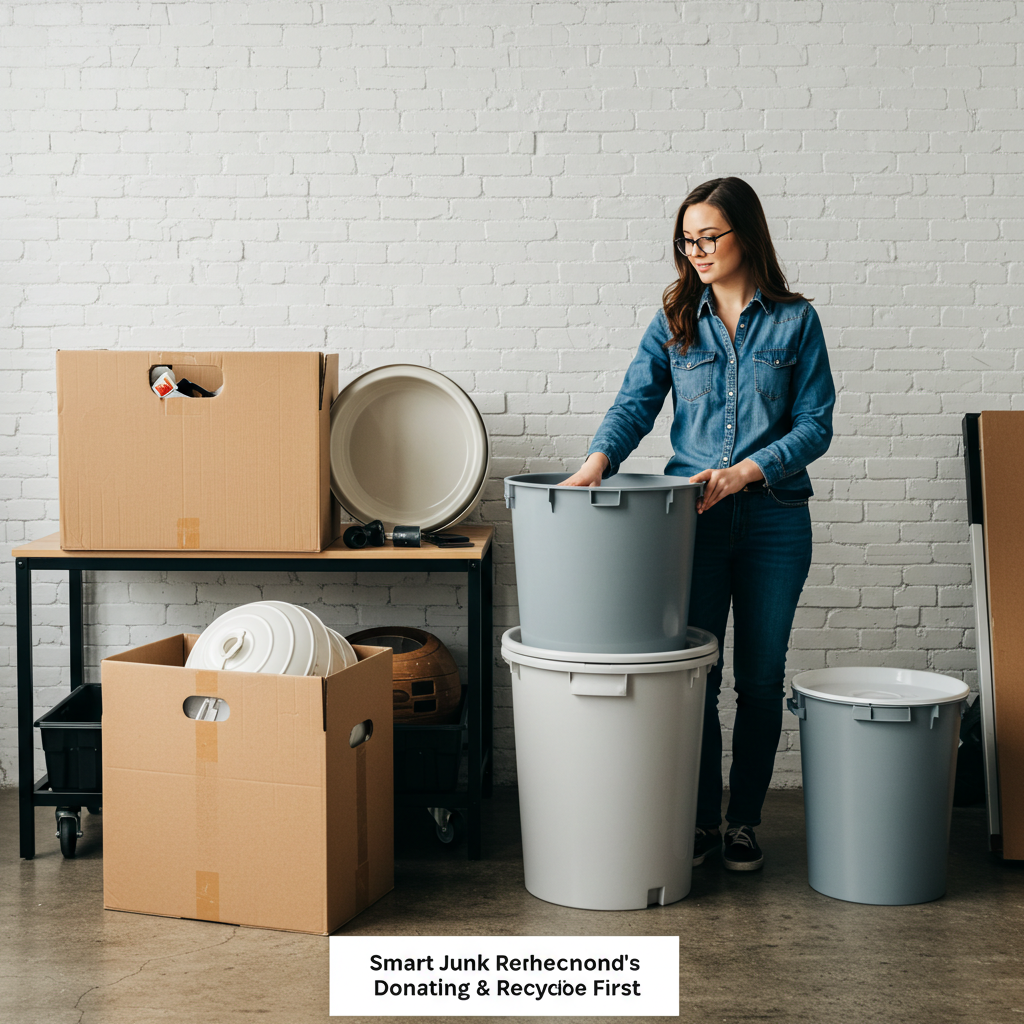
Smart Junk Removal: Richmond's Guide to Donating & Recycling First
Why should Richmond residents prioritize donating and recycling before professional junk removal?
For homeowners and businesses alike in Richmond, the decision to declutter often leads to a mountain of unwanted items. While professional junk removal is incredibly efficient, taking a moment to sort and identify items for donation or recycling offers multifaceted benefits that extend beyond mere convenience. It's a strategic approach to waste management that aligns with environmental responsibility, community support, and even your wallet.
- Environmental Stewardship: Every item diverted from a landfill lessens the environmental burden. Donating gives items a second life, reducing demand for new goods and conserving resources. Recycling breaks down materials to be repurposed, saving energy and minimizing pollution compared to producing from virgin materials. Richmond, like any vibrant city, benefits immensely from its residents adopting greener practices.
- Community Support: Donating usable items directly benefits local charities, non-profits, and families in need within the Richmond community. Your old furniture, clothing, or household goods can provide comfort and utility to others, fostering a stronger, more supportive local environment. This is a tangible way to give back while clearing your space.
- Cost Savings: Professional junk removal services typically charge based on the volume or weight of items removed. By reducing the sheer amount of 'junk' through donation and recycling, you inherently decrease the cost of your professional pickup. Less volume means a smaller truck load or fewer trips, translating directly to savings for you.
- Maximized Space & Efficiency: Sorting through items proactively means you're thoughtfully evaluating what truly needs to go. This often leads to a more organized and efficient cleanout process overall, setting the stage for a smoother professional removal of what remains.
What common items can Richmond residents effectively donate or recycle in Richmond?
Many everyday household and commercial items often deemed 'junk' still hold value for others or can be successfully recycled. Knowing what to look for can transform your cleanout pile into resources for donation centers and recycling facilities. Here's a breakdown of common categories:
- Furniture: Sofas, chairs, tables, dressers, bed frames, and even office furniture in good condition are highly sought after by charities, shelters, and thrift stores. Ensure items are structurally sound, free from major damage, stains, or excessive wear.
- Clothing & Textiles: Gently used clothes, shoes, accessories, linens, towels, and even fabric scraps can often be donated or recycled. Many organizations accept textiles even if they're not in perfect condition, as they can be downcycled into insulation or rags.
- Electronics (E-waste): Old computers, laptops, TVs, cell phones, and small appliances should never be thrown in regular trash due to hazardous materials. Richmond has specialized e-waste recycling programs and collection points designed to safely process these items.
- Appliances: Working refrigerators, washers, dryers, and other large appliances can sometimes be donated to charities or appliance refurbishing programs. Non-working appliances often have metal components that can be recycled.
- Books & Media: Used books, DVDs, CDs, and video games can find new homes through libraries, book donation centers, or second-hand stores. Many organizations accept educational materials for classrooms.
- Building Materials & Renovation Debris: Leftover lumber, bricks, tiles, hardware, or even salvageable fixtures from renovation projects can often be donated to architectural salvage yards or non-profit building supply stores, such as Habitat for Humanity ReStore.
- Tools & Equipment: Hand tools, power tools, gardening equipment, and even working lawnmowers can be donated to vocational schools, community workshops, or organizations that support small businesses.
It's crucial to remember that items should generally be clean, in working order (if applicable), and free from significant damage or hazardous contamination to be accepted for donation or standard recycling.
Where are the best places for Richmond locals to donate or recycle specific unwanted items?
Navigating the various donation centers and recycling facilities in the Richmond area requires a little research, but the effort is well worth it. Specific types of items often have specific destinations:
- Thrift Stores & Charities: For general household items, clothing, furniture, and books, well-known organizations like Goodwill, Salvation Army, and various local independent thrift stores are excellent choices. Many offer convenient drop-off locations, and some even provide pick-up services for larger donations. Always check their websites or call ahead for their current acceptance policies and hours.
- Specialized Recycling Centers: For electronics (e-waste), hazardous household waste (paints, chemicals, batteries), tires, and certain construction debris, look for specific county or city-run recycling centers or private specialized recyclers in the Richmond metropolitan area. These facilities are equipped to handle materials that require special processing to prevent environmental harm.
- Community Programs & Events: Keep an eye out for local recycling events, often organized by the city or environmental groups, which might offer free or low-cost disposal for specific items like shredding old documents, electronics, or household hazardous waste. These are great opportunities to dispose of tricky items responsibly.
- ReStore Locations (Habitat for Humanity): For building materials, appliances, furniture, and home improvement items, Habitat for Humanity ReStore locations in and around Richmond are fantastic. Your donations help fund affordable housing projects in the community.
- Book Donation Bins/Libraries: Many local libraries accept book donations, often using them for their own collections or for book sales to raise funds. Additionally, look for clearly marked book donation bins.
Tips for Successful Donation & Recycling:
- Call Ahead: Always contact the organization or facility before you go. Policies on accepted items, hours, and donation limits can change.
- Clean & Presentable: Donated items should be clean, in good repair, and have all their parts. This makes them easier for the charity to process and more appealing to new owners.
- Categorize: If you have a large volume of different items, sort them by category (e.g., clothes, electronics, furniture) before you leave. This saves time at the drop-off point.
- Be Patient: Donation centers can sometimes be busy, especially on weekends. Plan your visit accordingly.
How does Richmond Junk Pros streamline the process for remaining junk items?
After you've diligently sorted, donated, and recycled everything possible, you'll inevitably be left with a collection of items that are truly
Need Professional Assistance?
Get a free, no-obligation estimate from our expert local team today.